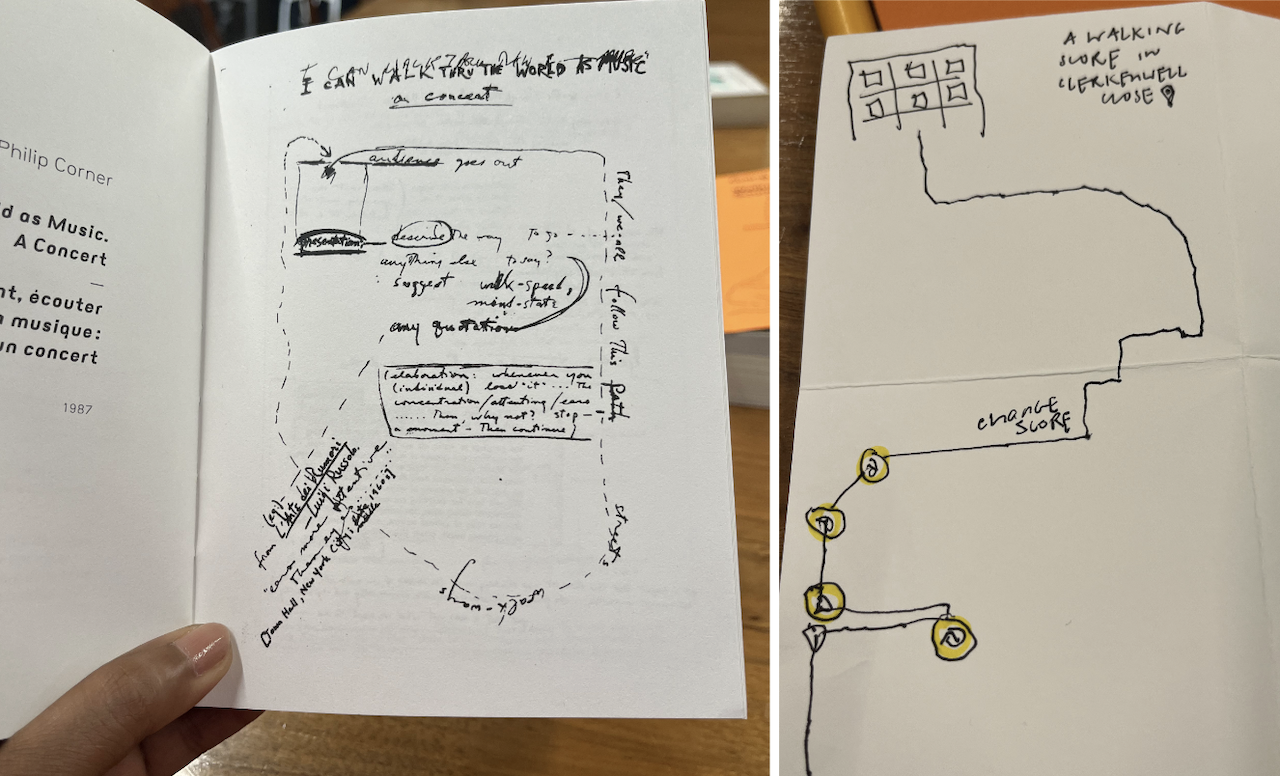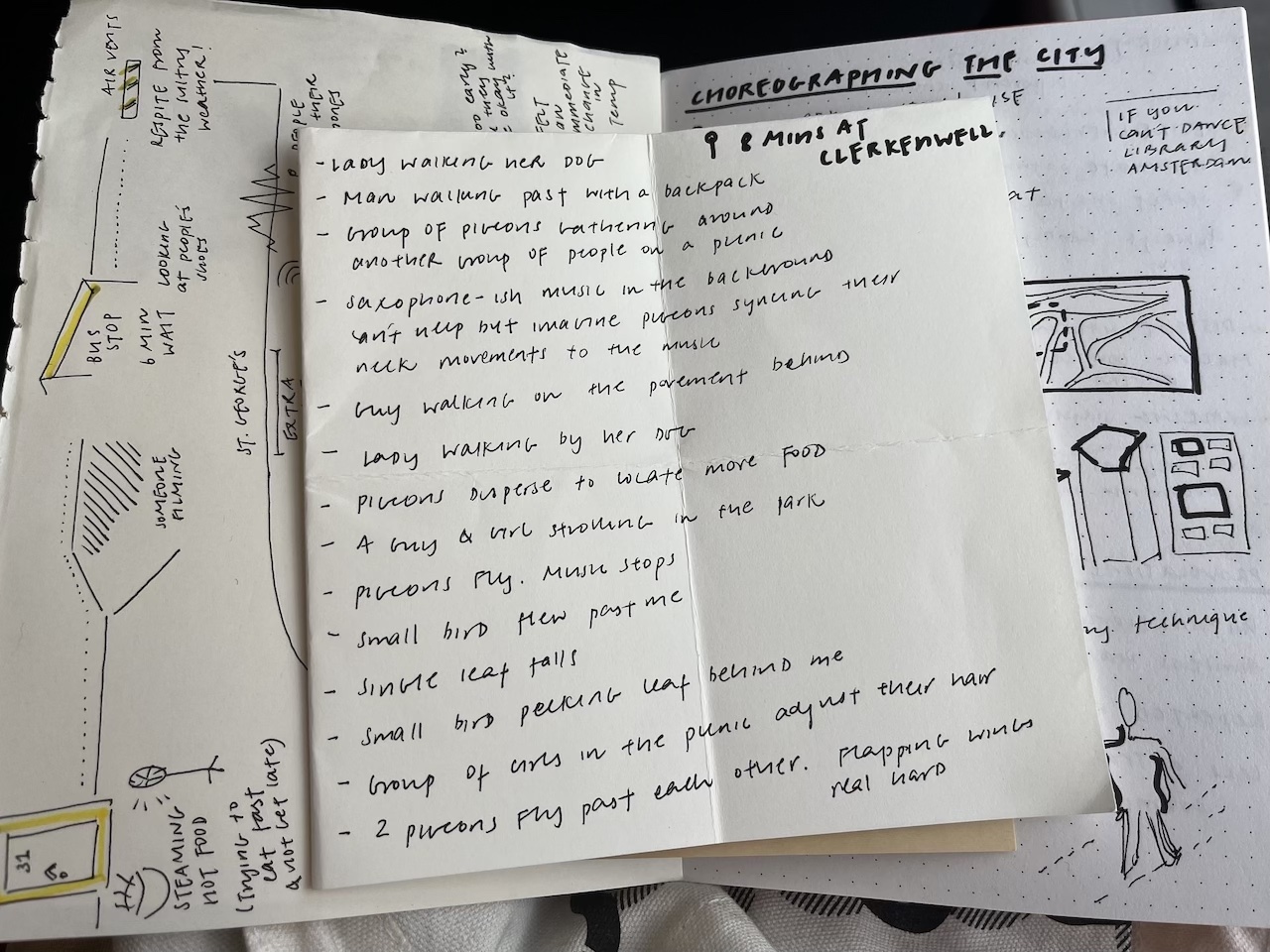
As a precursor to my Final Major Project, I'm undertaking a series of data walks to better understand the strategies for observing, collecting, and recording multi-sensory information.
- Data walk
- Field notes
- Mapping
- Multi-sensory
- Research
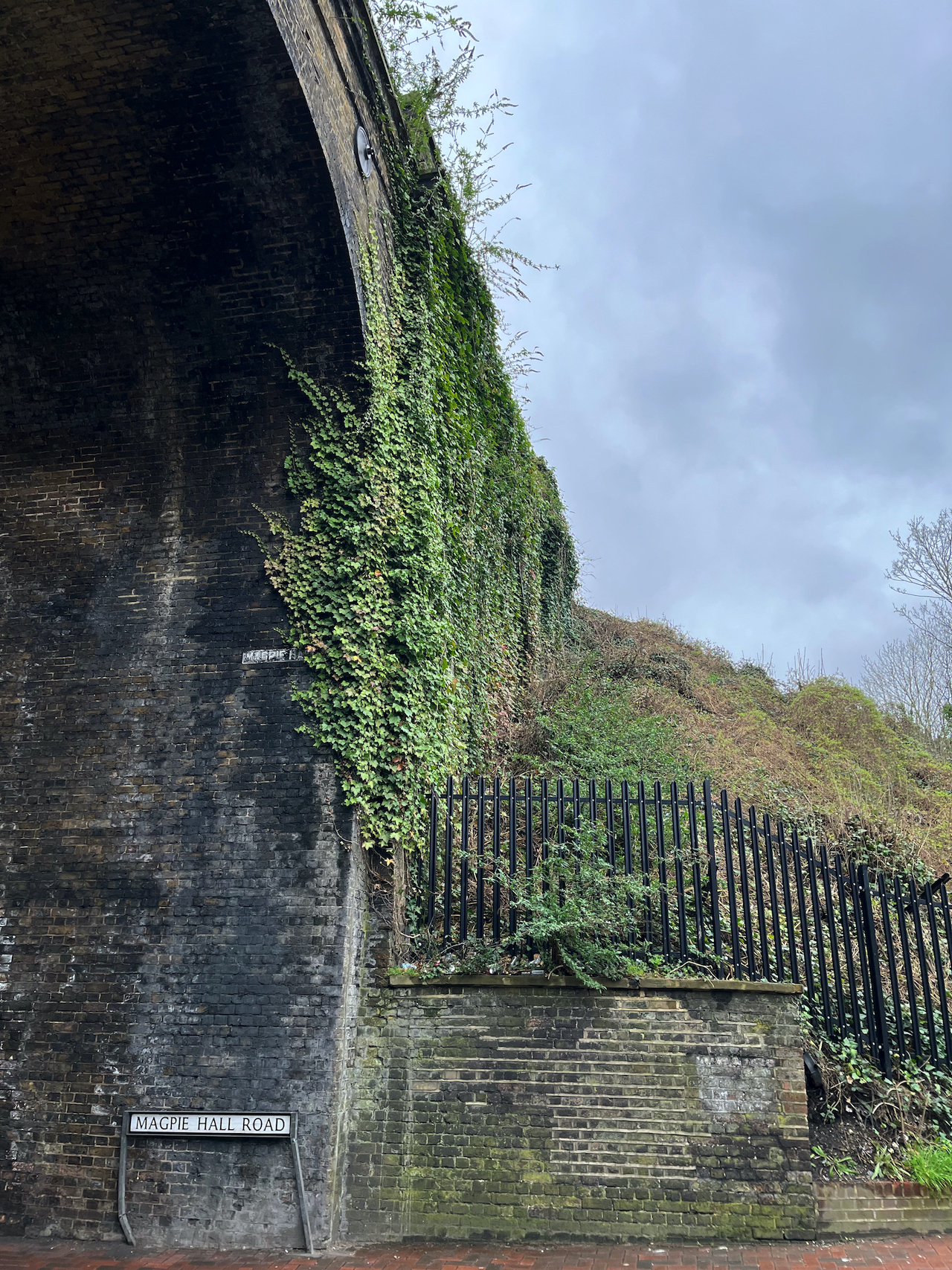
Luton Smell Walk
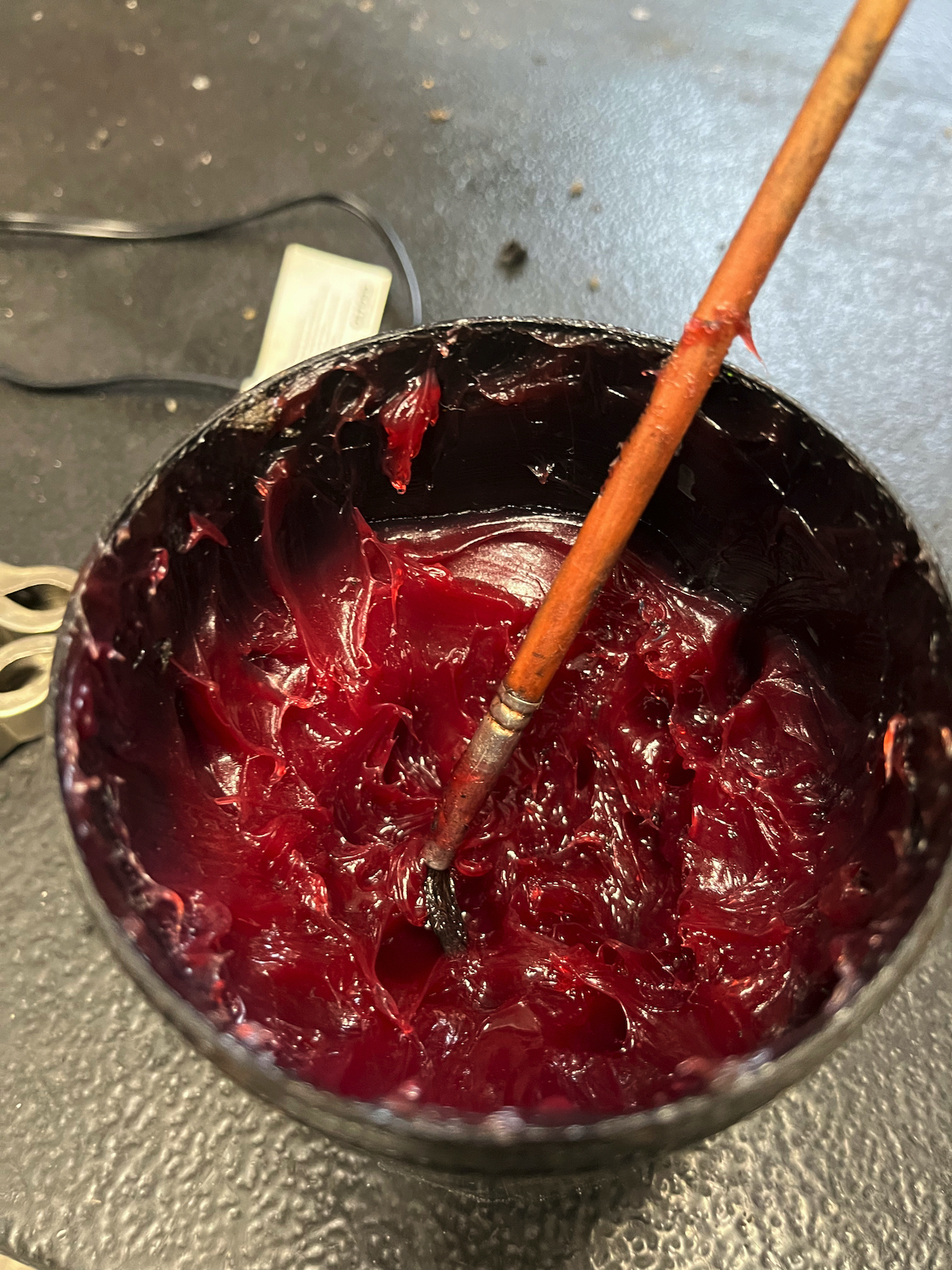
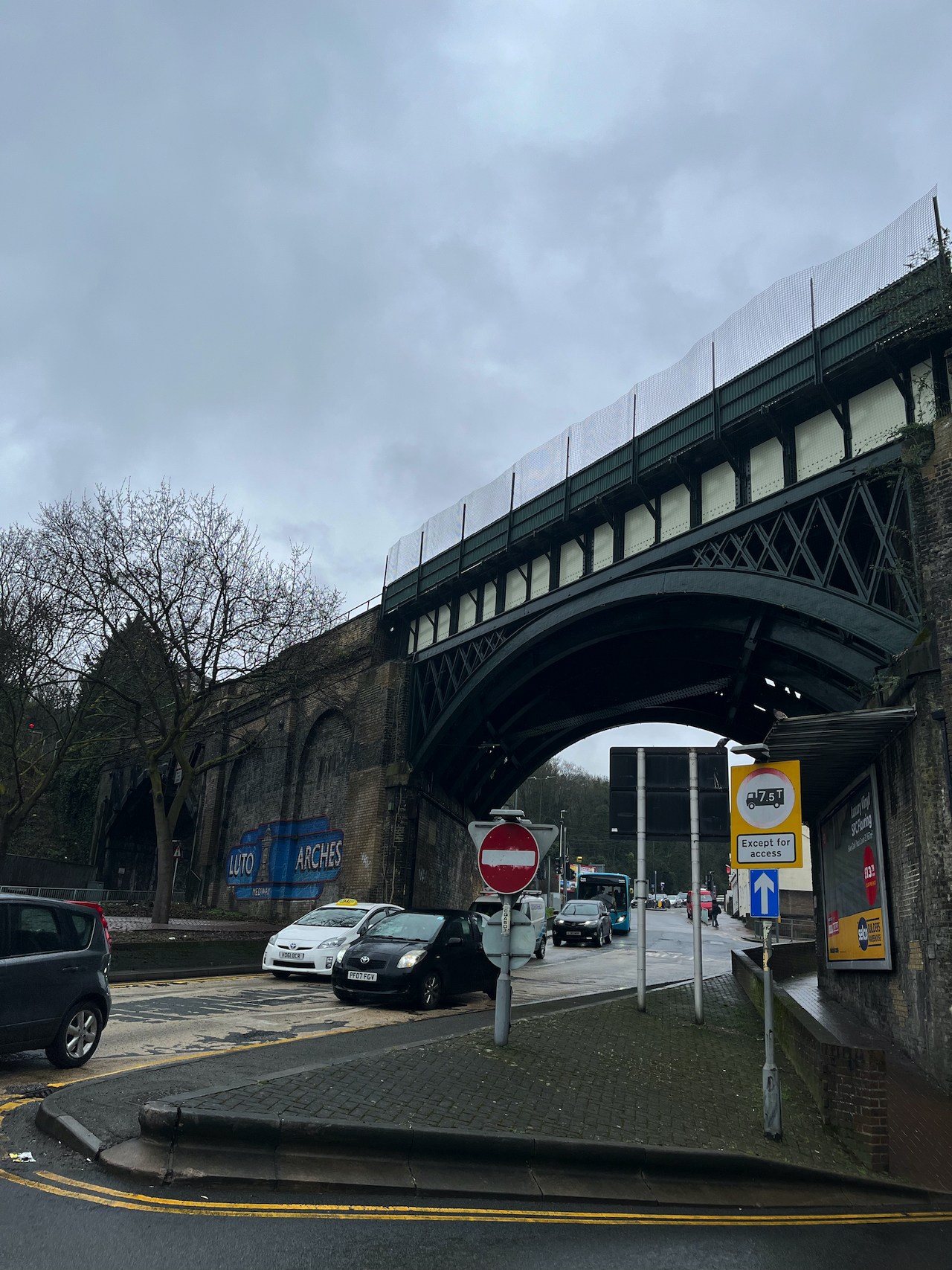
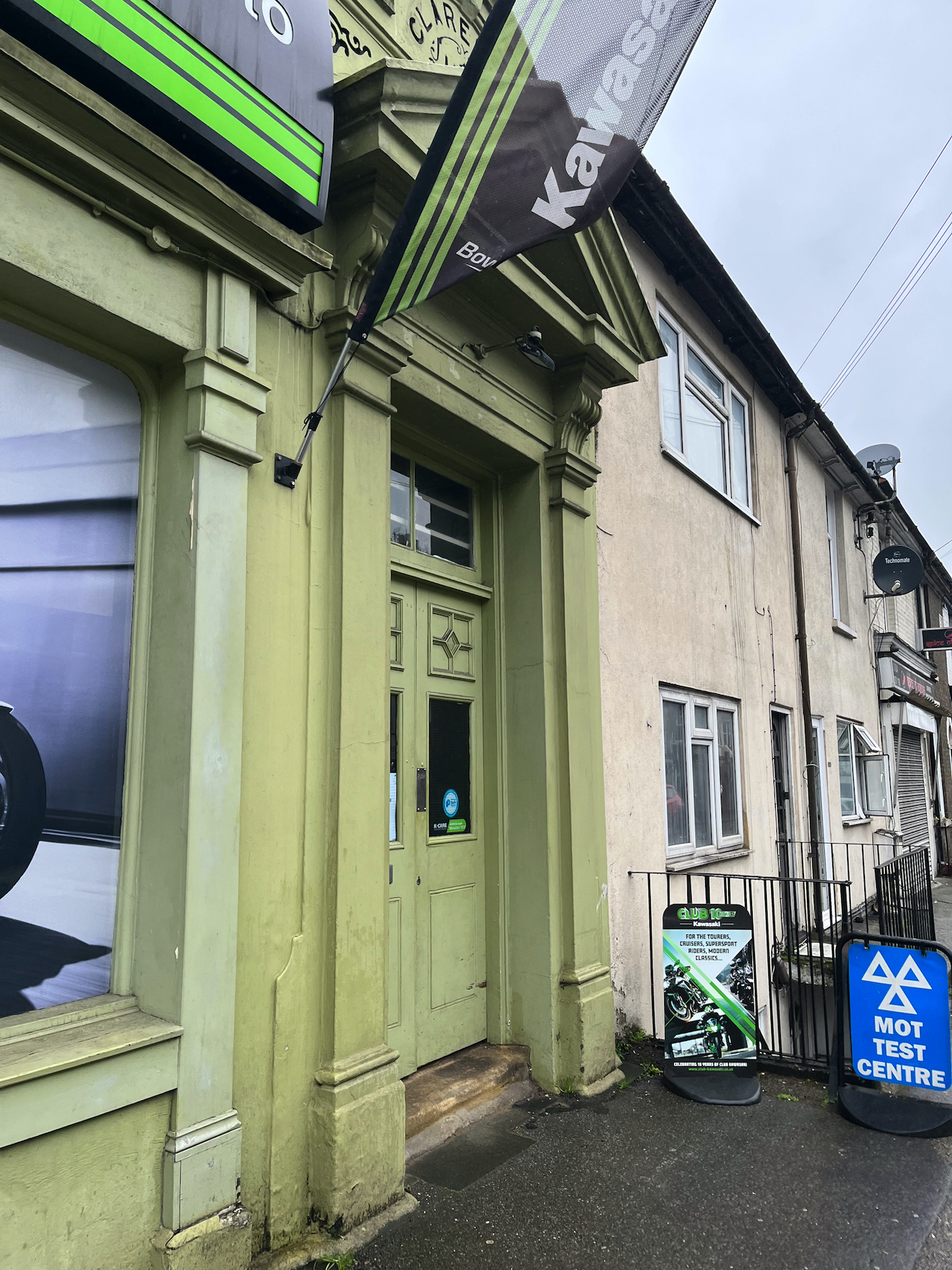
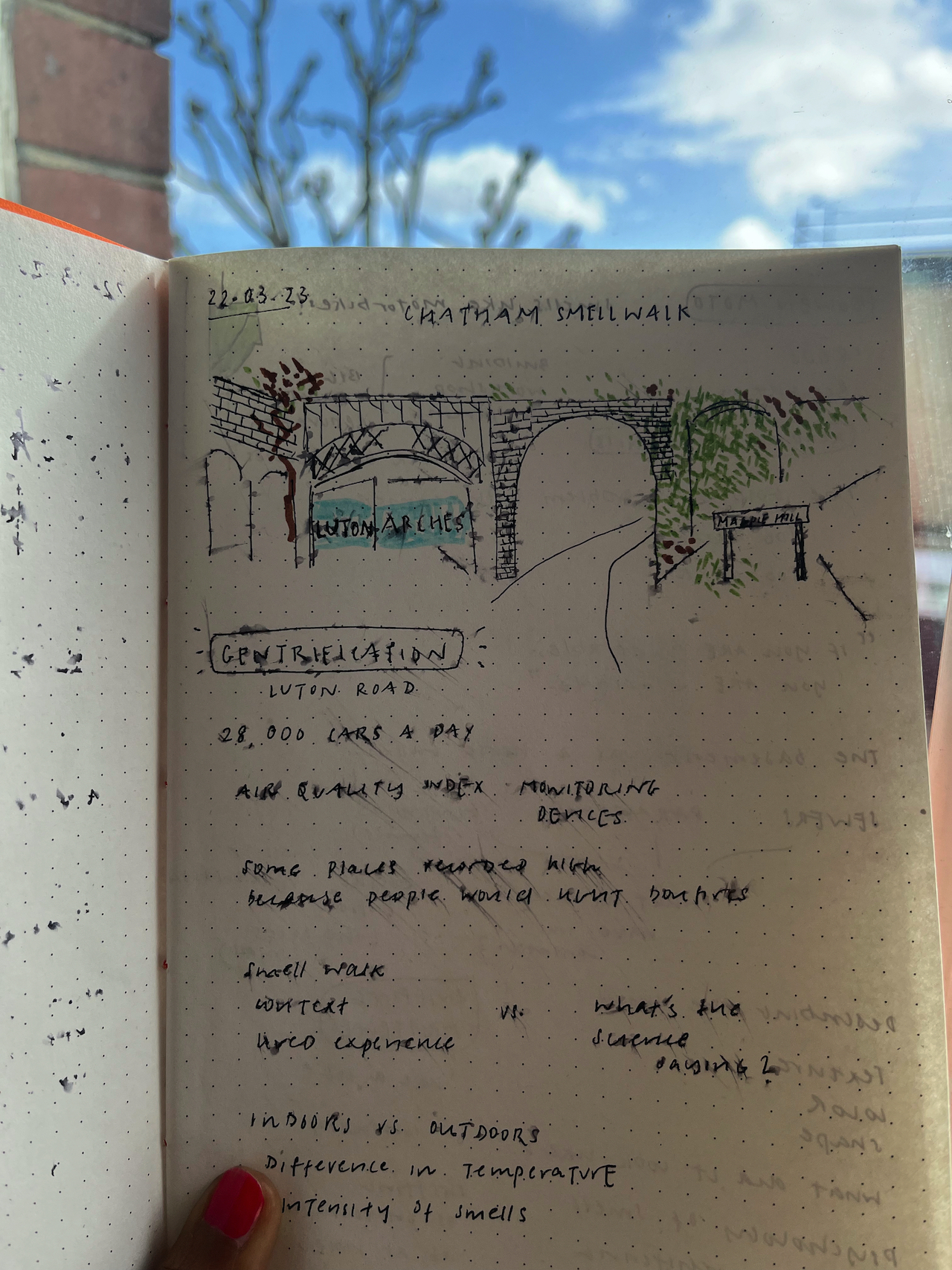
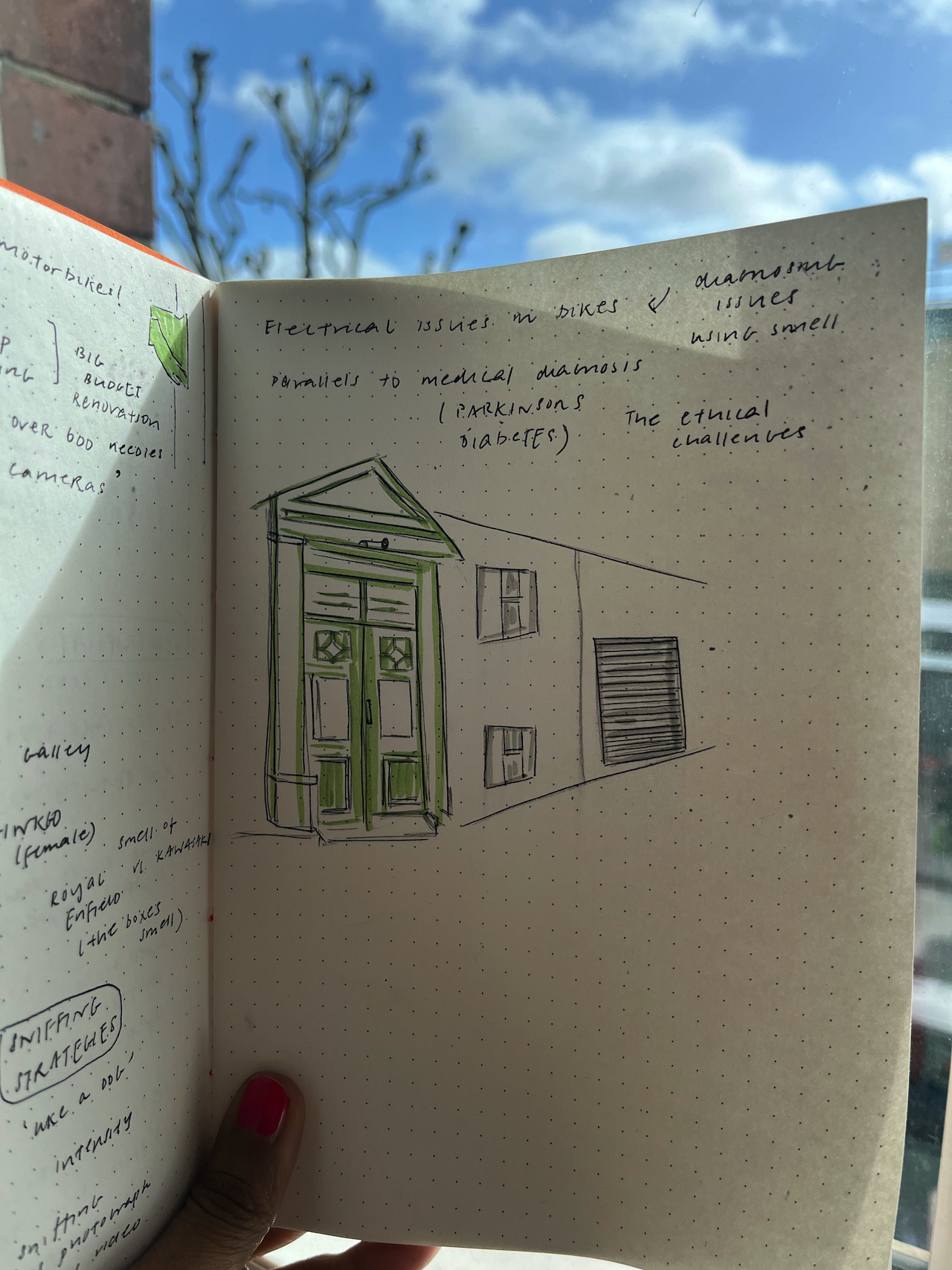
I accompanied Dr. Kate McLean, in one of her scouting smell walks serving as an initial step for an extensive study into correlations between air quality and gentrification in the area (Luton Smell Walk, 22/3/23). During our journey and smell walk exercise, I picked up tidbits of information on registering and recording smells, the need to involve locals for understanding the lived experience of a place, and the nuances of creating a study revolving around the senses.
Prof. McLean shared her strategies for registering smells more accurately, pointed out differences between indoor and outdoor smells, and the need for capturing impressions promptly to preserve context. This experience gave me the perspective of an academic inquiry aiming to use sensory data and maps as an investigative tool.
Croydon Sensory Walk
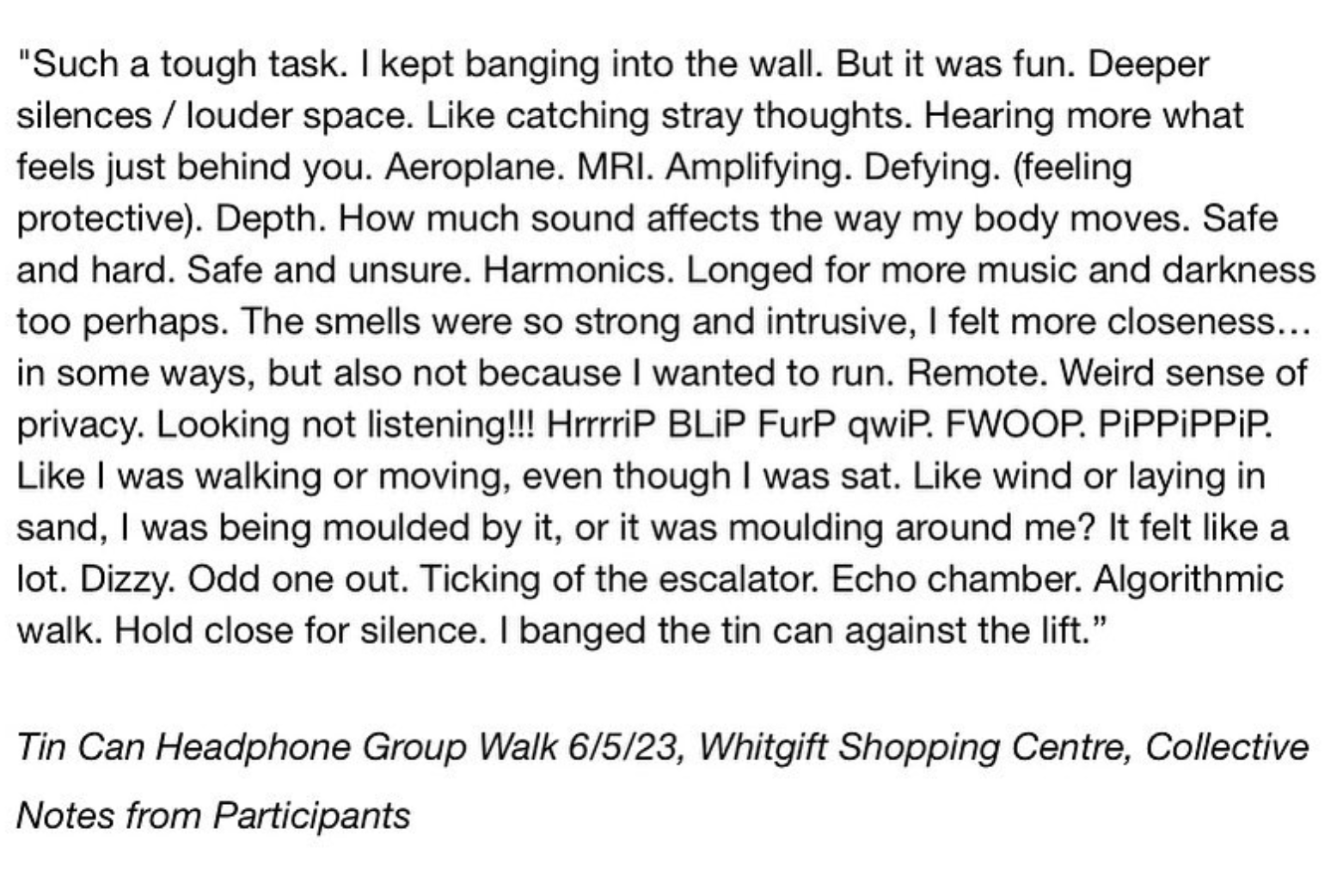
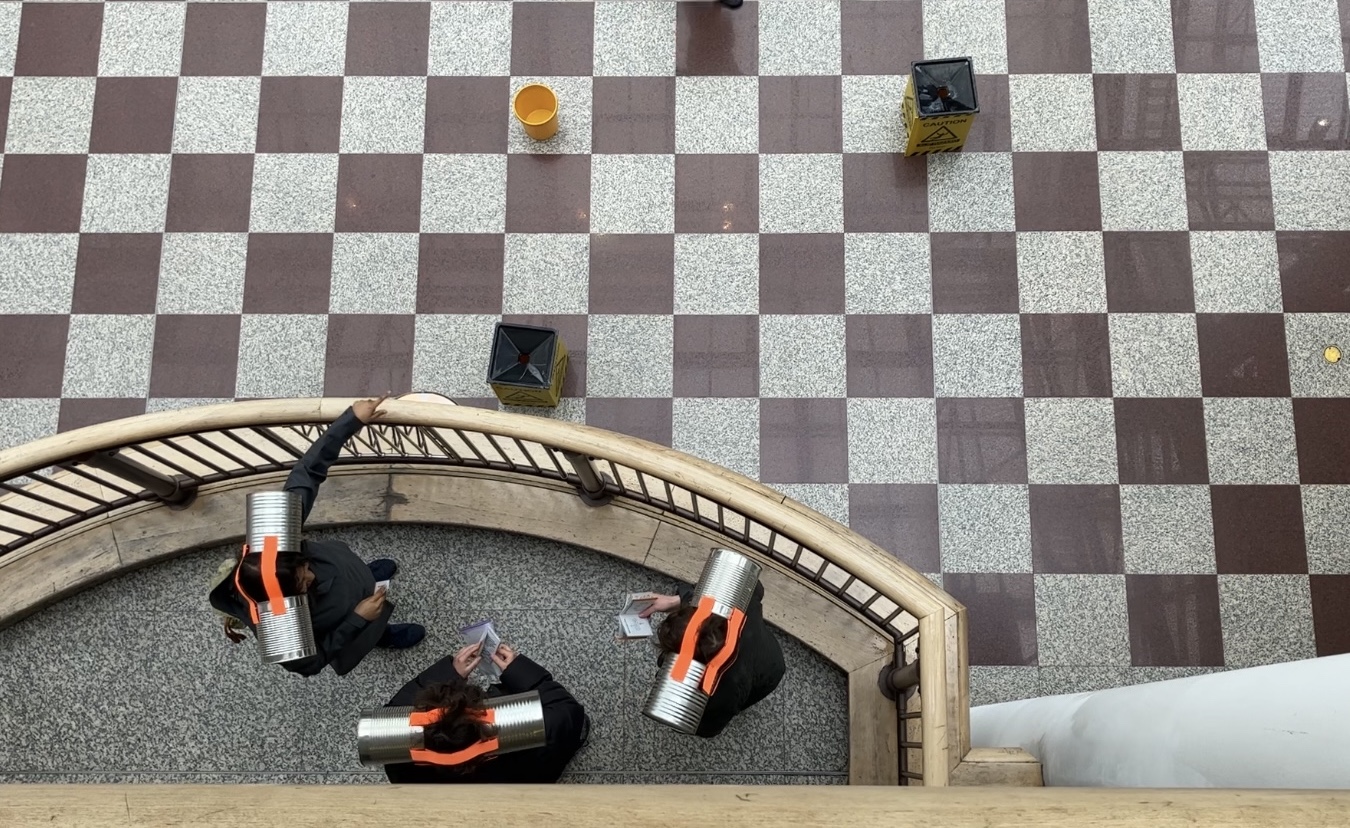
I participated in an open-ended sensory walk organised by Katherine Smith in Croydon (Tin Can Headphone Walk, 6/5/23, Whitgift Shopping Centre). Wearing tin cans around our ears to amplify auditory stimuli, the participants walked through a shopping center, noting our feelings and perceptions of the space. Reflecting back on the experiences shared by the group at the end of the walk, particularly those shared by neurodiverse participants, made me realise the extent to which our common sensory experiences can be interpreted in varied and subjective ways.


Bermondsey Spa Garden Walk
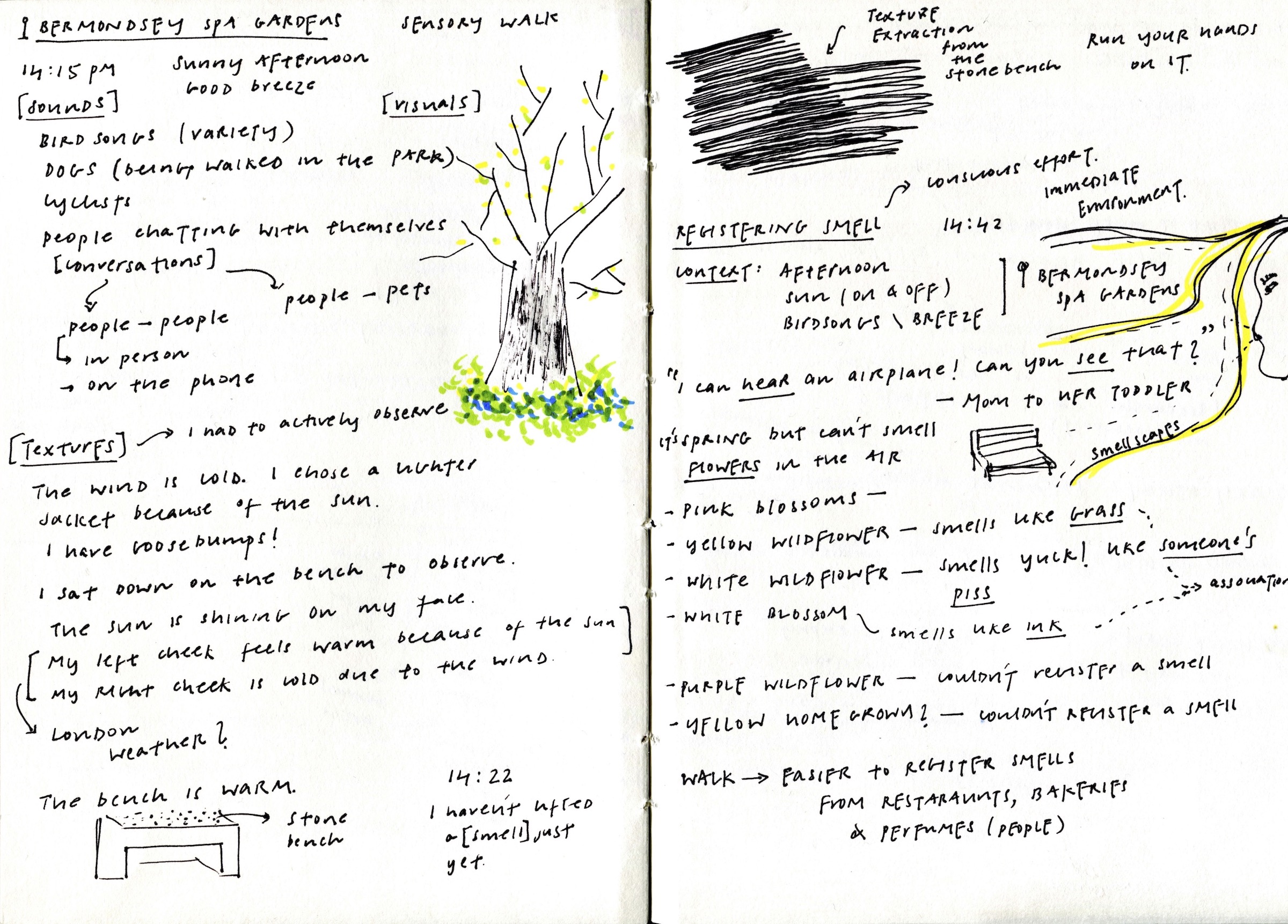
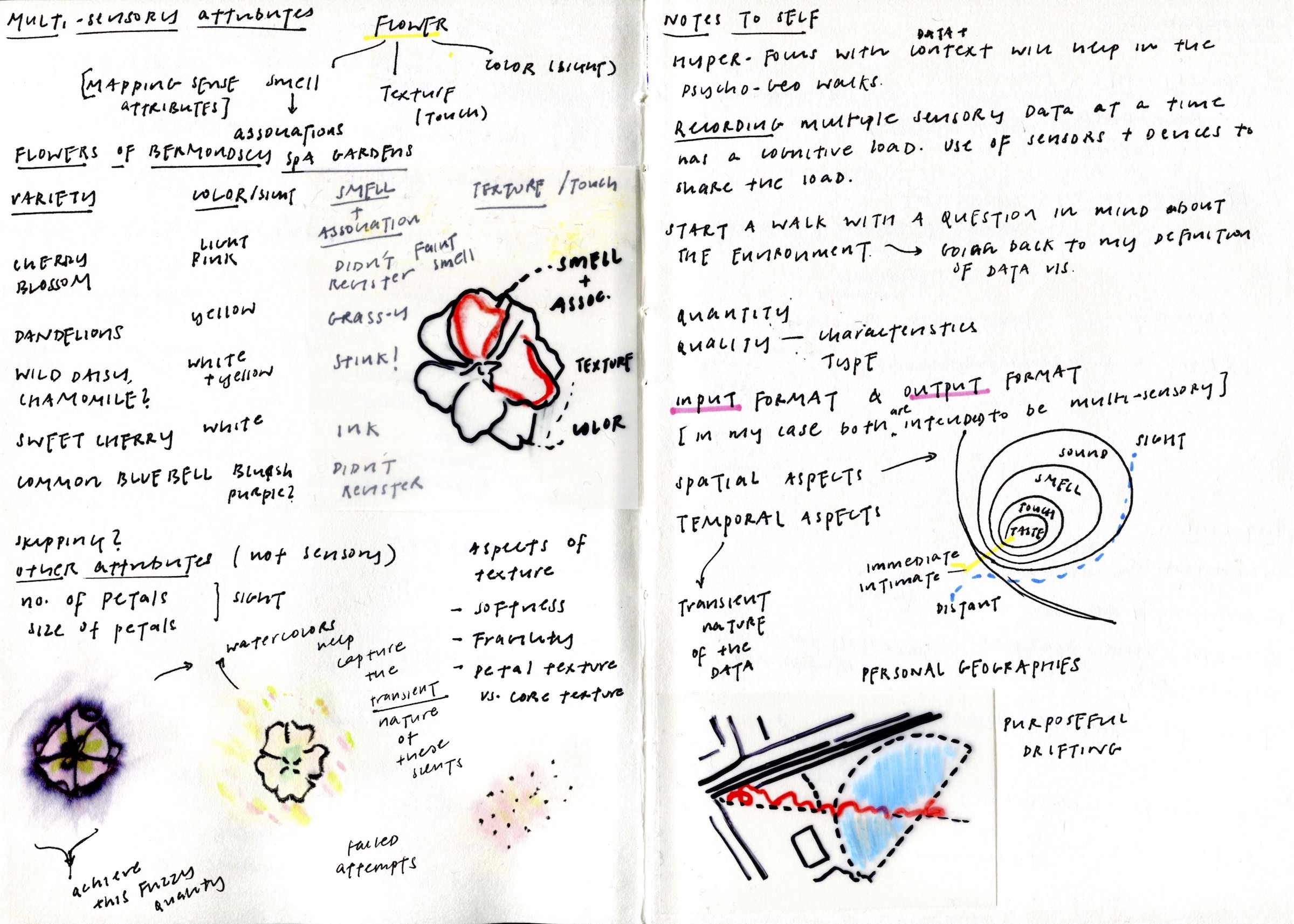
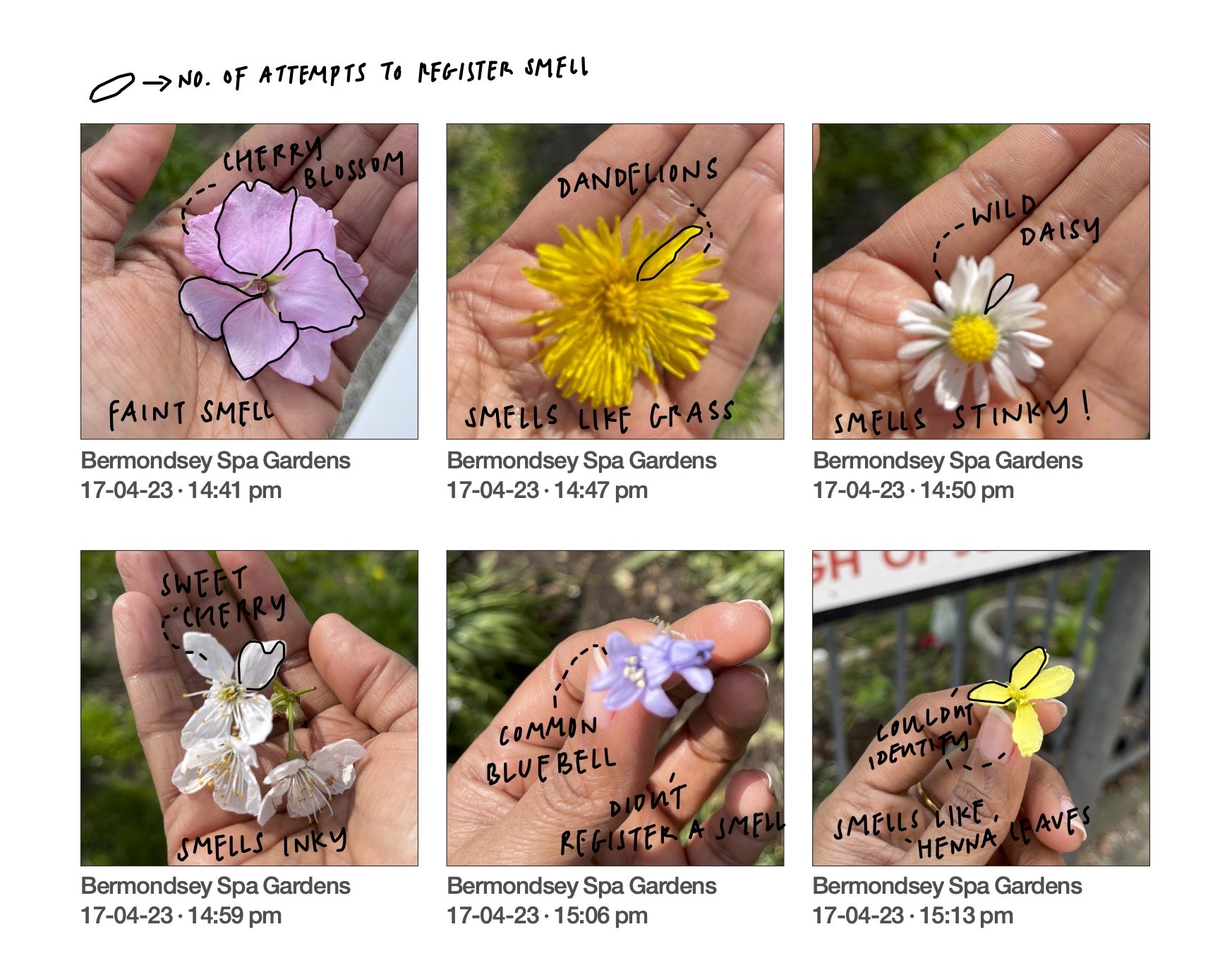
As an experiment, I undertook a personal sensory walk in Bermondsey Spa Gardens to better understand the complexities of detecting and recording new sensory experiences.
The abundance of spring flowers around made for plenty of data. I smelled the flowers, noted their colors and felt their texture. An interesting set of thoughts came out from this experience. Being unfamiliar with the flora of the city, I struggled to name unfamiliar smells and fell back on comparing them to analogous smells from my past. Some felt unfamiliar enough to fail any comparison. Faint smells required multiple sniffs with pauses to properly register them.
Acoustic Commons with Soundcamp
Keeping myself open to inputs from outside design circles has been another source of inspiration and serendipity. I participated a workshop (Acoustic Commons Workshop, 23/5/23) hosted by an artist's collective called Soundcamp who investigate long-duration listening in the context of the environment and ecology (Soundcamp, no date).
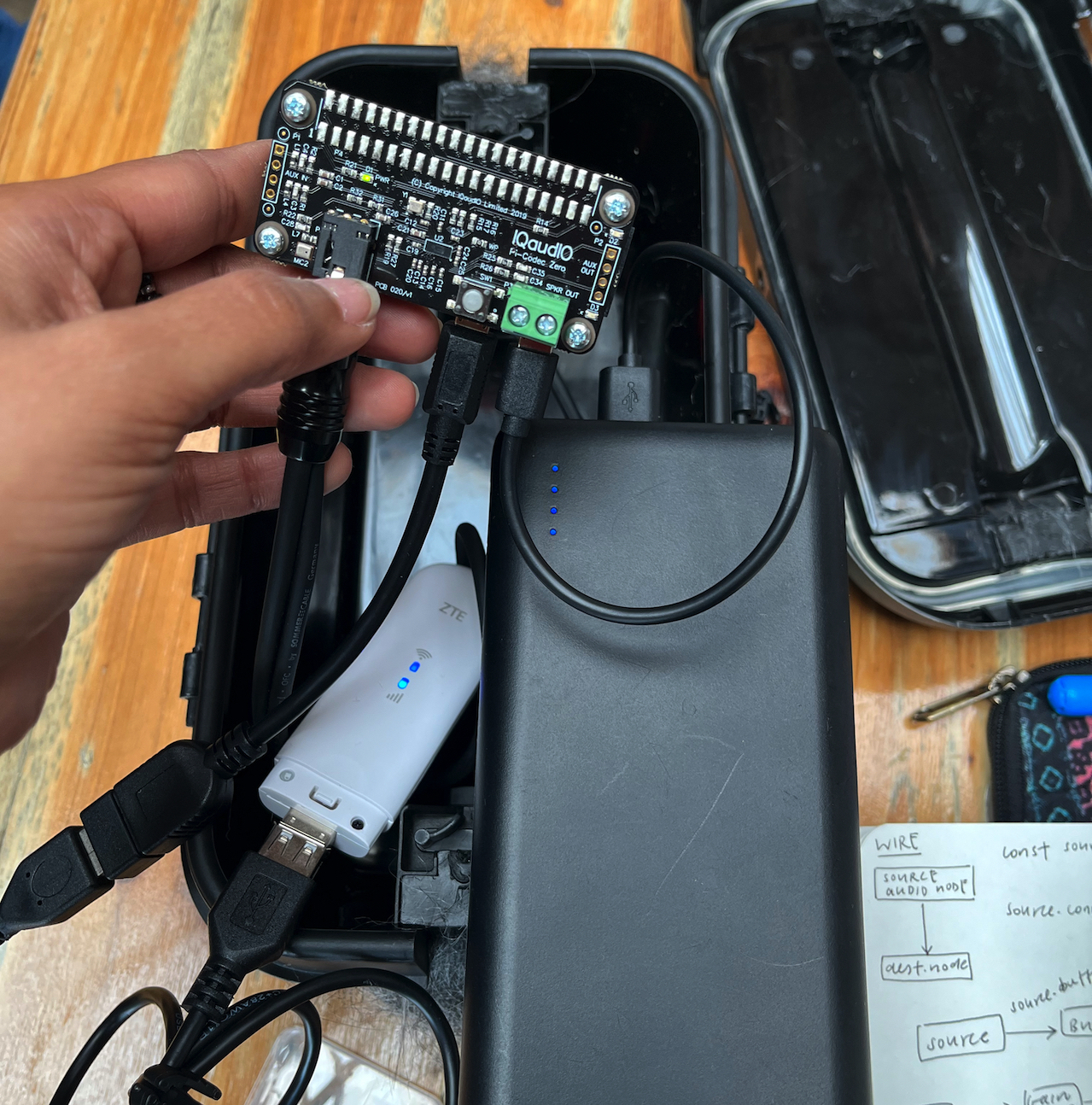
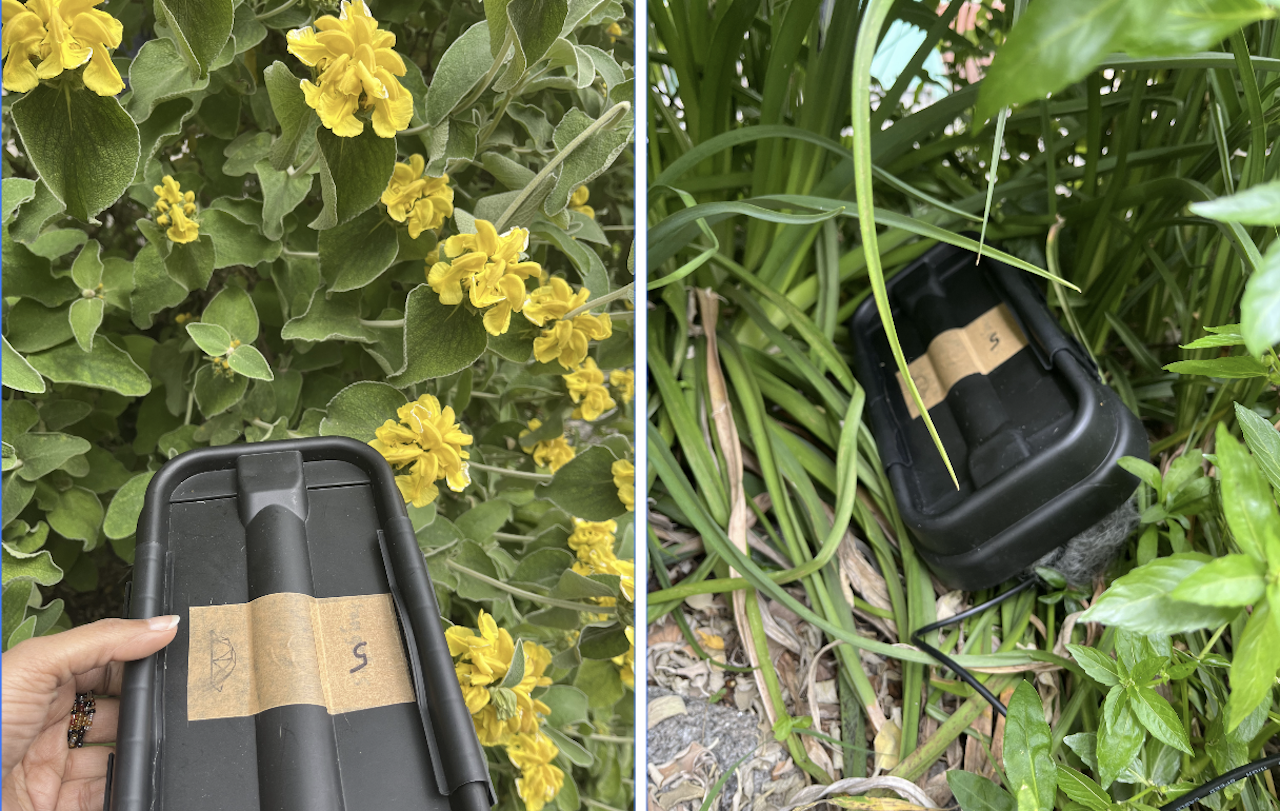
We assembled a streambox built with a Raspberry Pi, audio sensor, and a microphone that captures and streams sounds in real-time over the radio. I used the device on a short data walk around the neighbourhood to capture ecological sounds, noticing how sensors like these can reduce the overwhelm and anxiety of capturing information during sensory walks.
Placemaking Poetics
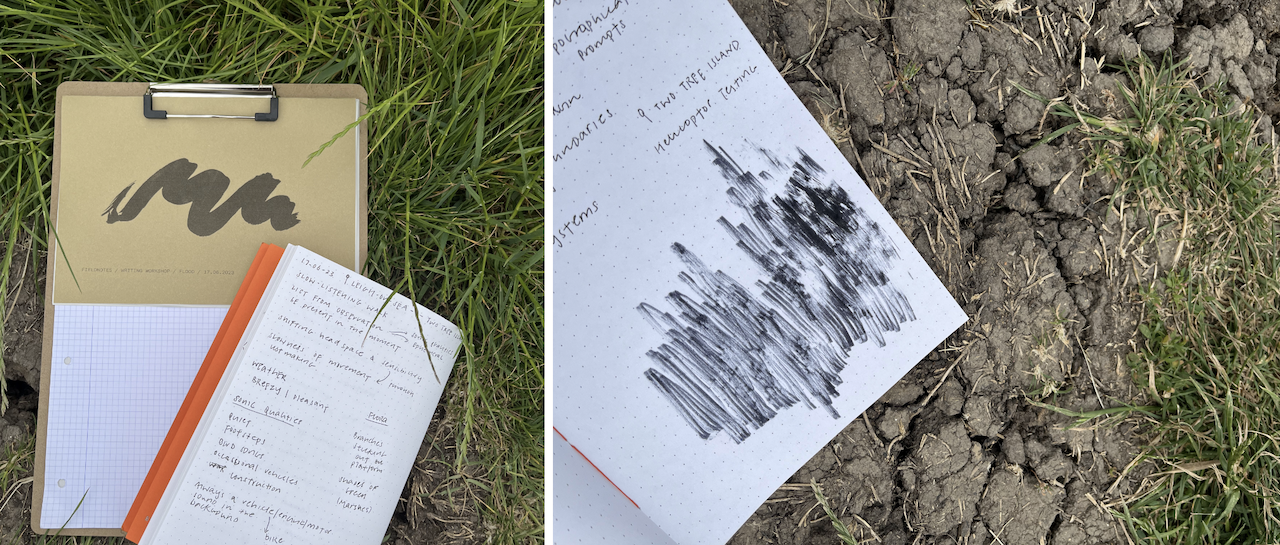
Led by Fieldnotes, this exercise focused on the themes of walking and delving into place-based writing using approaches like concrete poetry, psychogeography, and mark-making. This experience has opened up new avenues to explore in my research, particularly in relation to observing the sonic qualities of a place through slow, long-durational listening and prompt-based writing.
Choreographing the City
Organised by Theatrum Mundi, I undertook a series of walks centered around urban choreographies and psychogeographical scores utilising soft parkour techniques and mapping tools. Focusing on embodied experiences, we engaged in tactile exploration and physical movement to uncover and pursue the surfaces, paths, imprints, traces, and desires we encounter within cities.
This workshop introduced me to the concept of deep hanging out, the intentional act of spending long durations of time in a place, observing deeping to exhaust all sensory observations of its surroundings.